
Depth to Plant
|
Spacing Between Plants |
Days to Germinate (Sprout)
|
Germination
|
Best Season to Plant_________ |
Sun
|
Soil
|
Good Plant Companions |
Harvest Instructions |
|
| 1/4" Deep | 12-24" Apart | 25 Days | Between 75° F and 85° F | Early Spring | Full Sun | pH Between 6 and 7. | Sage, broccoli, beans, hot peppers | Snip off ends as needed |

Starting Your Rosemary from Seed
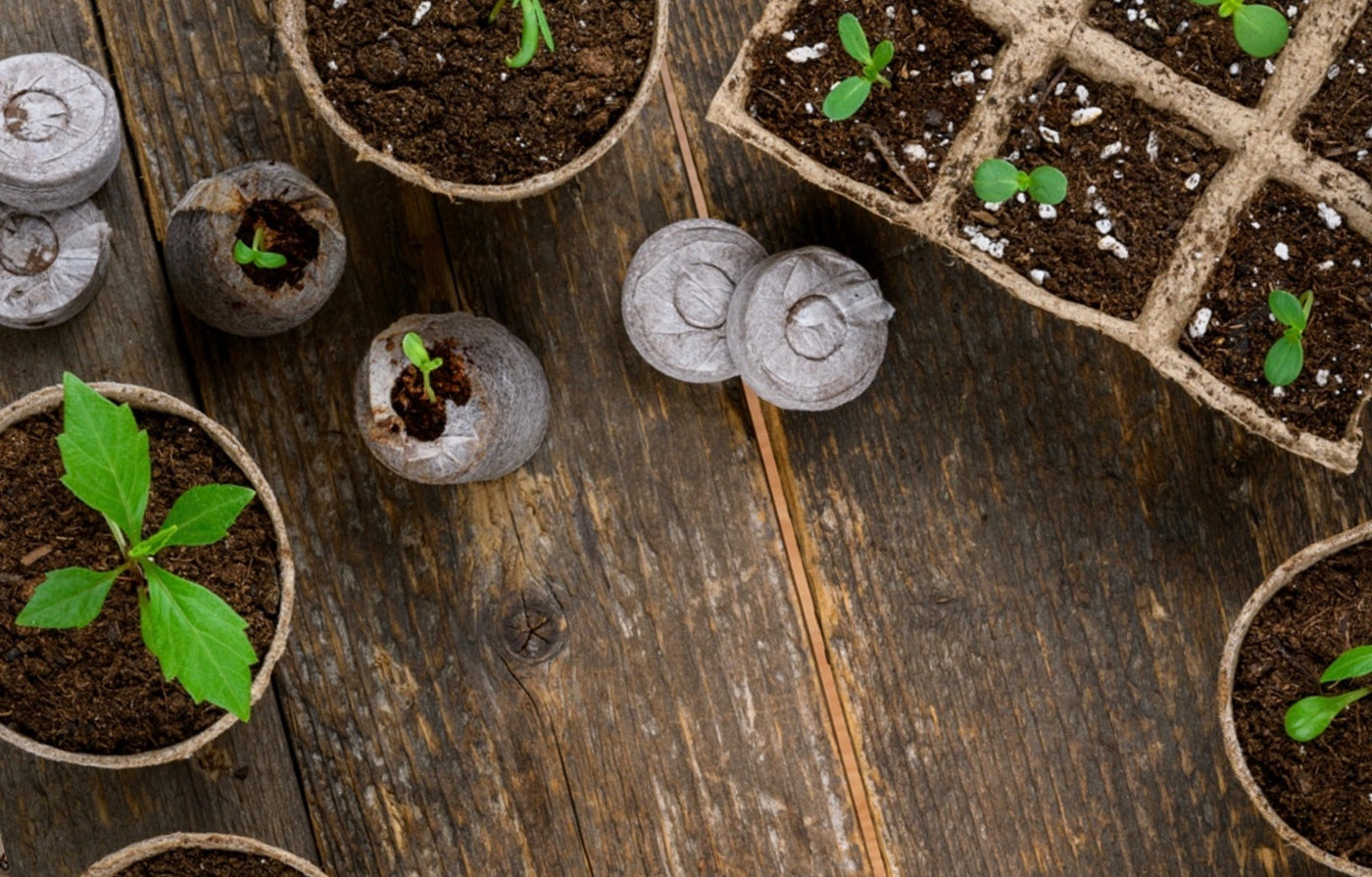
Growing rosemary from seed requires patience, but it's a rewarding way to build your herb garden. Start seeds indoors 6–8 weeks before your last frost date. Use a well-draining seed-starting mix and keep the soil consistently moist but not waterlogged. Rosemary seeds germinate slowly—expect sprouting within 2–3 weeks. Once seedlings develop their second set of leaves, thin them out to give each plant room to grow. Harden off seedlings by gradually exposing them to outdoor conditions over 7–10 days before transplanting.
Choosing the Right Location
Rosemary thrives in full sunlight, so choose a spot that receives at least 6–8 hours of direct sun daily. The plant is incredibly adaptable and grows well in containers or garden beds. If you're in a cooler climate, consider planting in containers so you can move your rosemary indoors during winter months. Rosemary prefers slightly sandy, well-draining soil and doesn't tolerate soggy conditions—this is crucial for preventing root rot.
Soil and Water Management
Prepare your soil by mixing in sand or perlite to improve drainage. Rosemary is drought-tolerant once established, so water deeply but infrequently rather than keeping soil constantly moist. Check soil moisture by inserting your finger about an inch deep; water only when the soil feels dry at that depth. In containers, ensure drainage holes are clear, and avoid letting water sit in the saucer beneath the pot.
Fertilizing and Pruning
Rosemary doesn't need heavy feeding. A light application of balanced, slow-release fertilizer in spring is usually sufficient. Prune your rosemary regularly to encourage bushier growth and prevent it from becoming leggy. Begin harvesting sprigs once the plant is established—this pruning actually promotes more vigorous growth. Pinch off leaf tips for cooking while the plant is still young.
Harvesting Your Rosemary
Once your plant is 6–8 inches tall, you can begin harvesting. Pick sprigs from the top and sides of the plant, cutting just above a leaf node. Harvest in the morning when essential oils are most concentrated for the best flavor. Rosemary can be used fresh or dried for storage. Even a single plant provides abundant harvests throughout the growing season, making it one of the most productive herbs you can grow.
In Summary |
|
Rosemary is an evergreen, perennial plant with blue flowers. It is a shrub-like plant that has very fragrant, "needle-like" green leaves. Plants can easily get 5-6 feet tall outdoors if they're hardy and even when planting in containers, they will get 1-3 feet tall. Rosemary can be enjoyed when used with poultry, lamb, in stews, and in soups.
When to Plant How to Plant Make sure your newly planted rosemary seeds are either started indoors, or have a shelter over them such as a cloche' or row cover. When they are about 3-4 inches tall they can be transplanted to their permanent home. Try not to disturb them by transplanting them again until they are mature. Have fun with your rosemary plants, and try adding multiple small plants to one large pot to make a rosemary topiary. You can also train them onto hoops or other shapes.
When to Harvest Prune the stems of your rosemary, as needed, to use fresh. If cooler weather approaches, you may bring small potted rosemary plants indoors and harvest from them throughout the winter. Try drying the leaves, as they store well in airtight containers. |